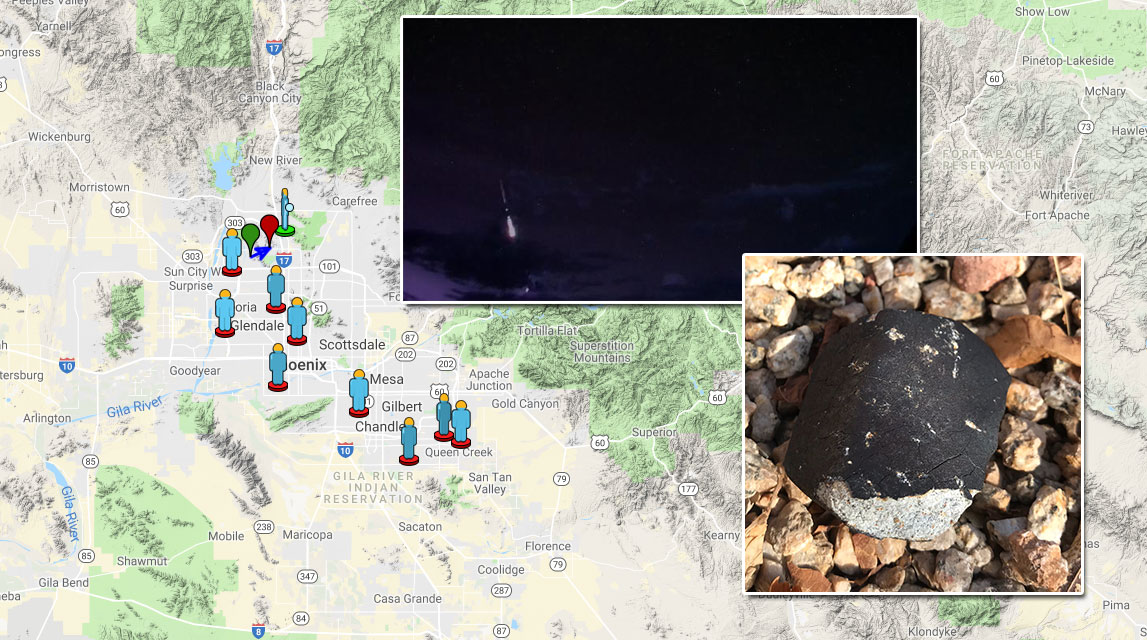
Meteorite fall in Arizona on July 27th
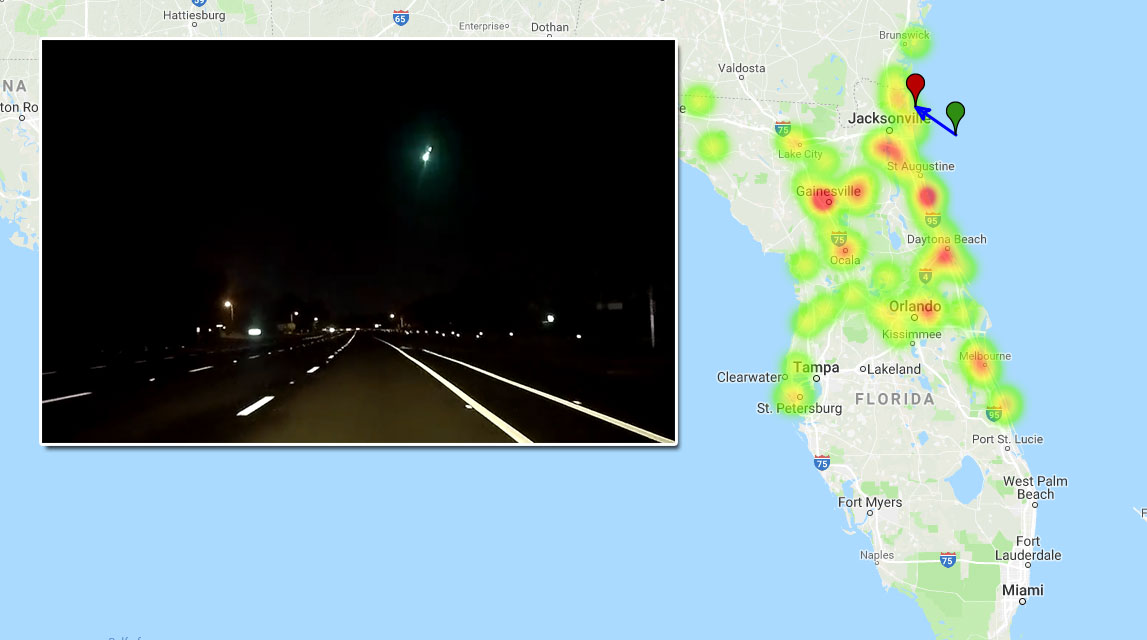
A meteorite has been found in Arizona. The fall has been recorded by an AMS camera.
During this period the moon will reach its first quarter phase on Saturday August 18th. At that time the moon will lie 90 degrees east of the sun in the sky and will set near midnight local daylight saving time (LDT) as seen from mid-northern latitudes. As the week progresses the waxing gibbous moon will encroach upon the morning hours, limiting the time observers have to view under moonless conditions.
During this period the moon will reach its new phase on Saturday August 11th. At that time the moon will lie near the sun in the sky and will be invisible at night. As the week progresses the waxing crescent moon will enter the evening sky but will not cause much interference for meteor observers, especially during the more active morning hours.
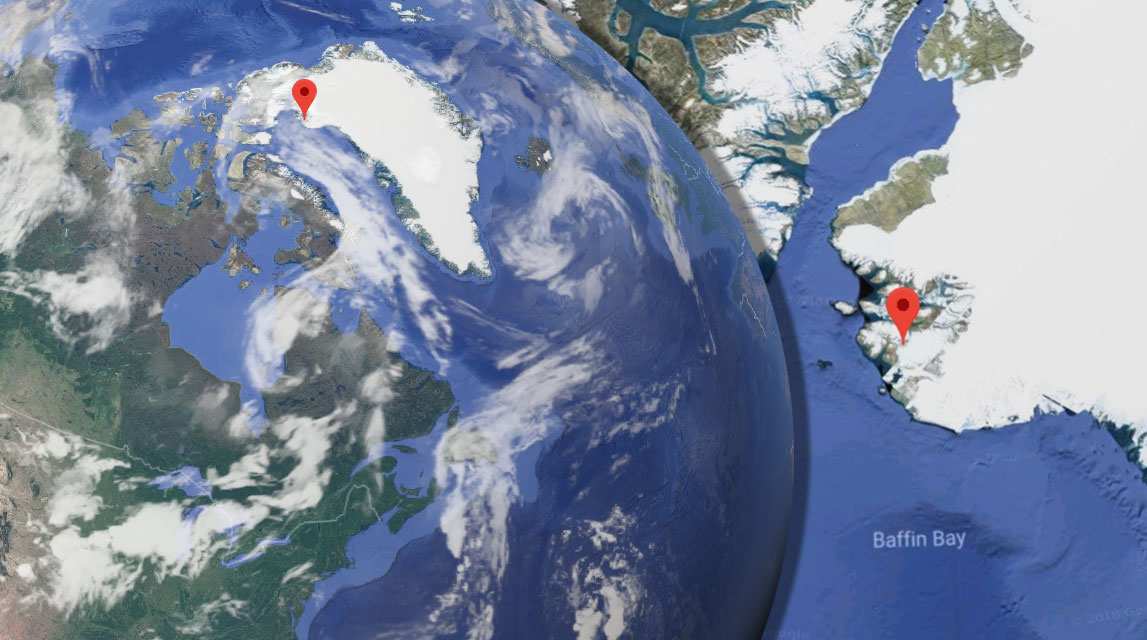
NASA’s Jet Propulsion Laboratory confirmed "an object of unspecified size travelling at 24.4km/s struck earth in Greenland, just 43km (~28 miles) north of an early missile warning Thule Air Base on the 25th of July, 2018". There was no public warning from the US government about the incident.
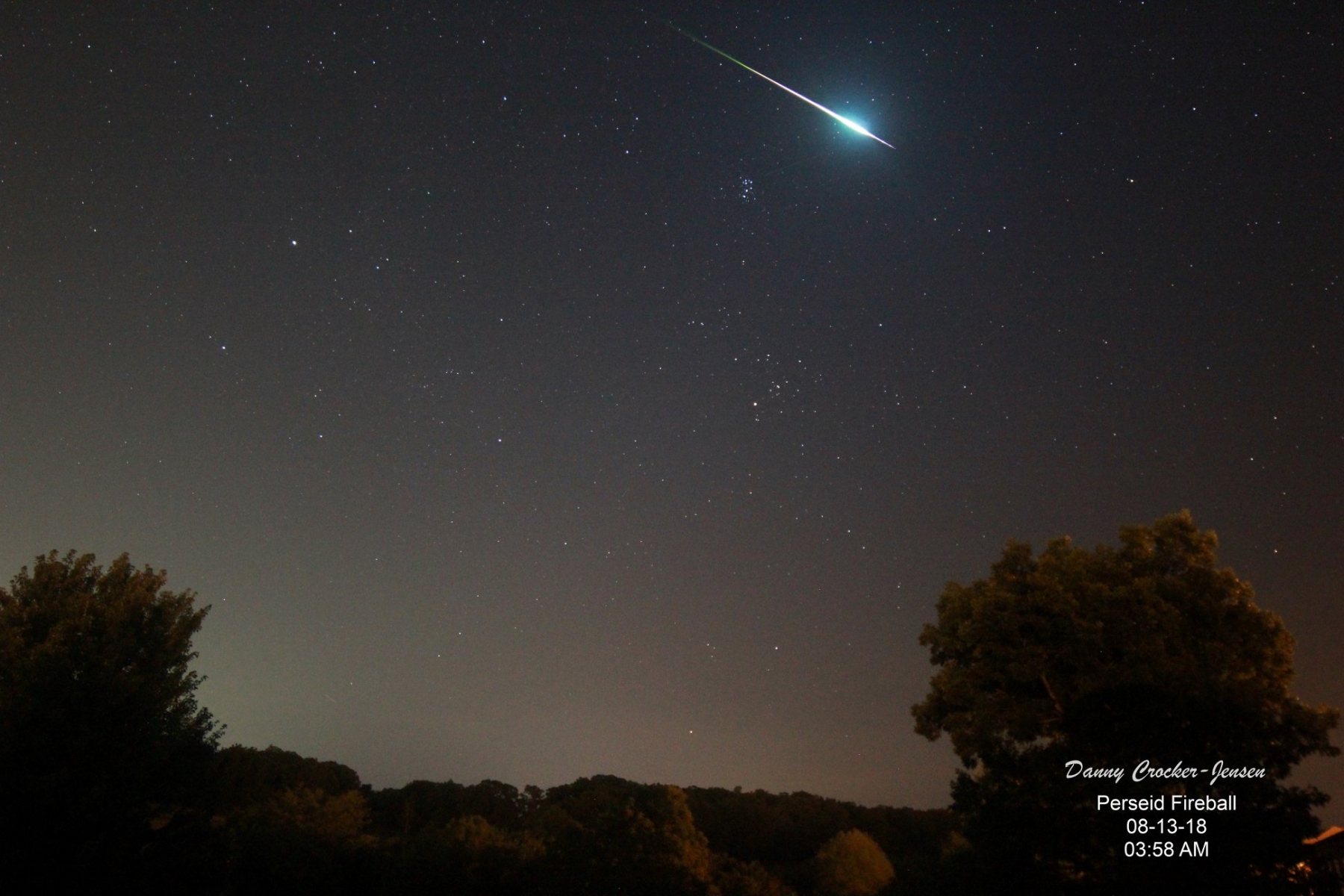
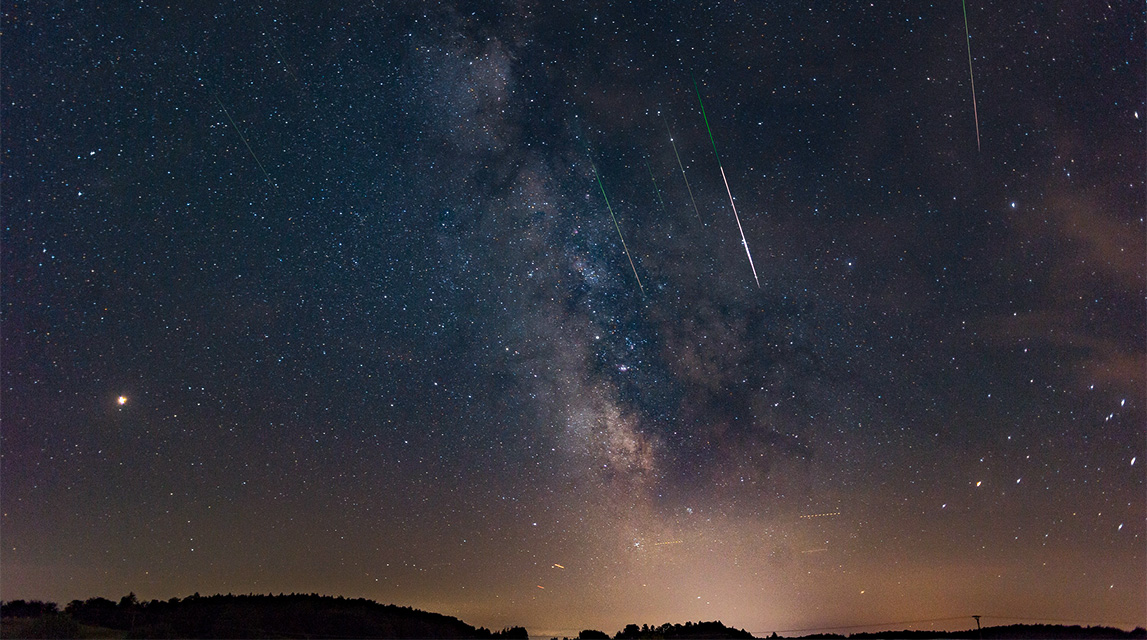
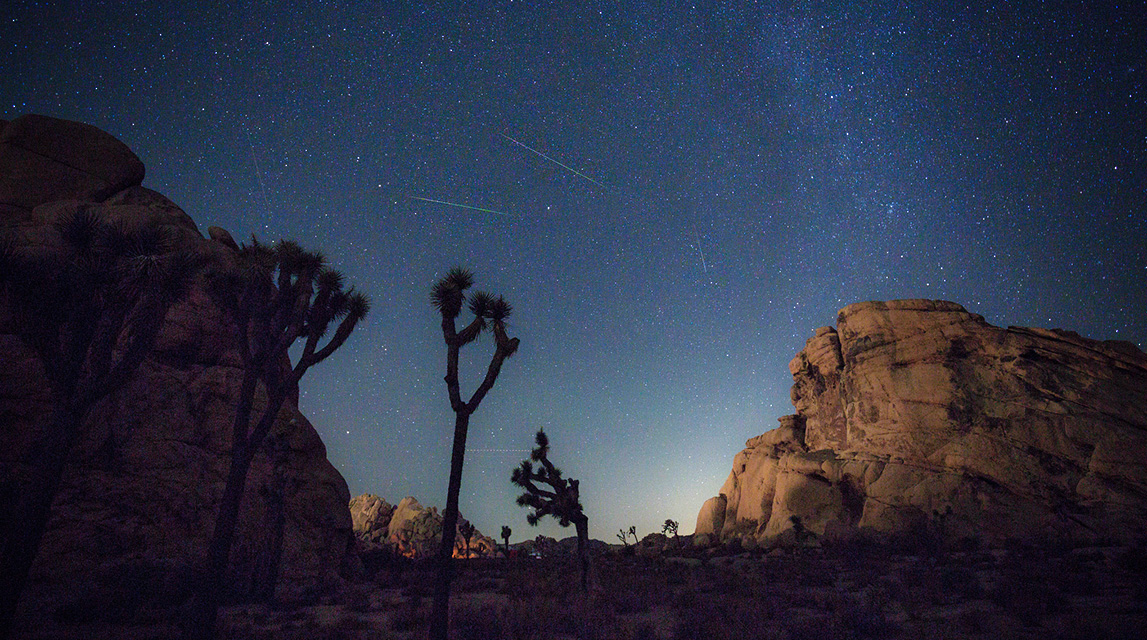
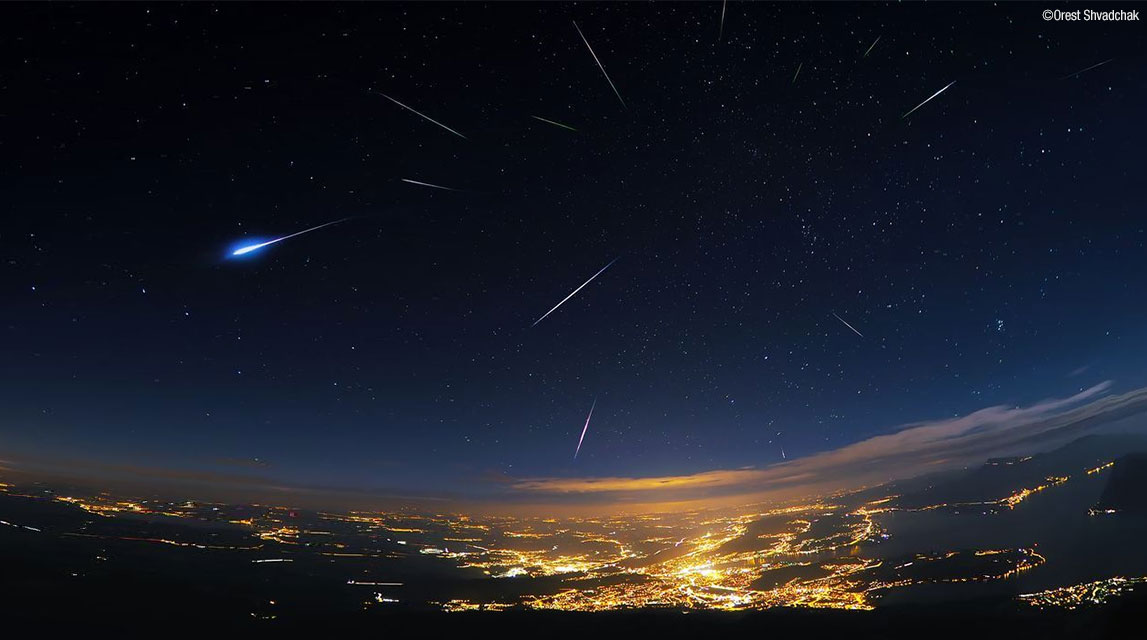
The Perseids are often the most impressive Meteor Shower of the year for the Northern Hemisphere. The Perseid meteor shower offers a consistently high rate of meteors every year and it occurs in August when the temperatures are usually nice enough for a night under the stars!
During this period the moon will reach its last quarter phase on Saturday August 4th. This is good for evening observations but once the moon rises during the early morning hours, conditions will be less than ideal. These conditions improve with each passing night to where there is little lunar interference at the end of this period.
During this period the moon will wane from it's nearly full phase down to almost half-illuminated. This weekend the moon will rise shortly after dusk and will rise approximately 45 minutes later each night. Although meteor activity is strong this time of year the bright moon will obscure all but the brighter meteors.
During this period the moon will reach it's full phase on Friday July 27th. At that time the moon will be located opposite the sun and will lie above the horizon most of the night. This weekend the waxing gibbous moon will set during the early morning hours allowing a few hours of dark skies in which to watch meteor activity under good conditions.
During this period the moon will reach it's first quarter phase on Thursday July 19th. At that time the moon will be located 90 degrees east of the sun and will set around 0100 local daylight saving time (DST). This weekend the waxing crescent moon will set during the early evening hours and will not interfere with meteor viewing.
The AMS has received nearly 600 reports so far about of a fireball event seen above Iowa and Michigan on July 8th, 2018 around 8:40pm CDT (July 9th 01:40 Universal Time). The fireball was seen primarily from Iowa and Illinois but was also seen from Minnesota, Indiana, Kansas, Nebraska, Ohio, Michigan and Wisconsin.
During this period the moon will reach it's new phase on Thursday July 12th. At that time the moon will be located near the sun and will be invisible at night. This weekend the waning crescent moon will rise during the early hours and will not interfere too much with viewing meteor activity as long as you keep it out of your field of view.
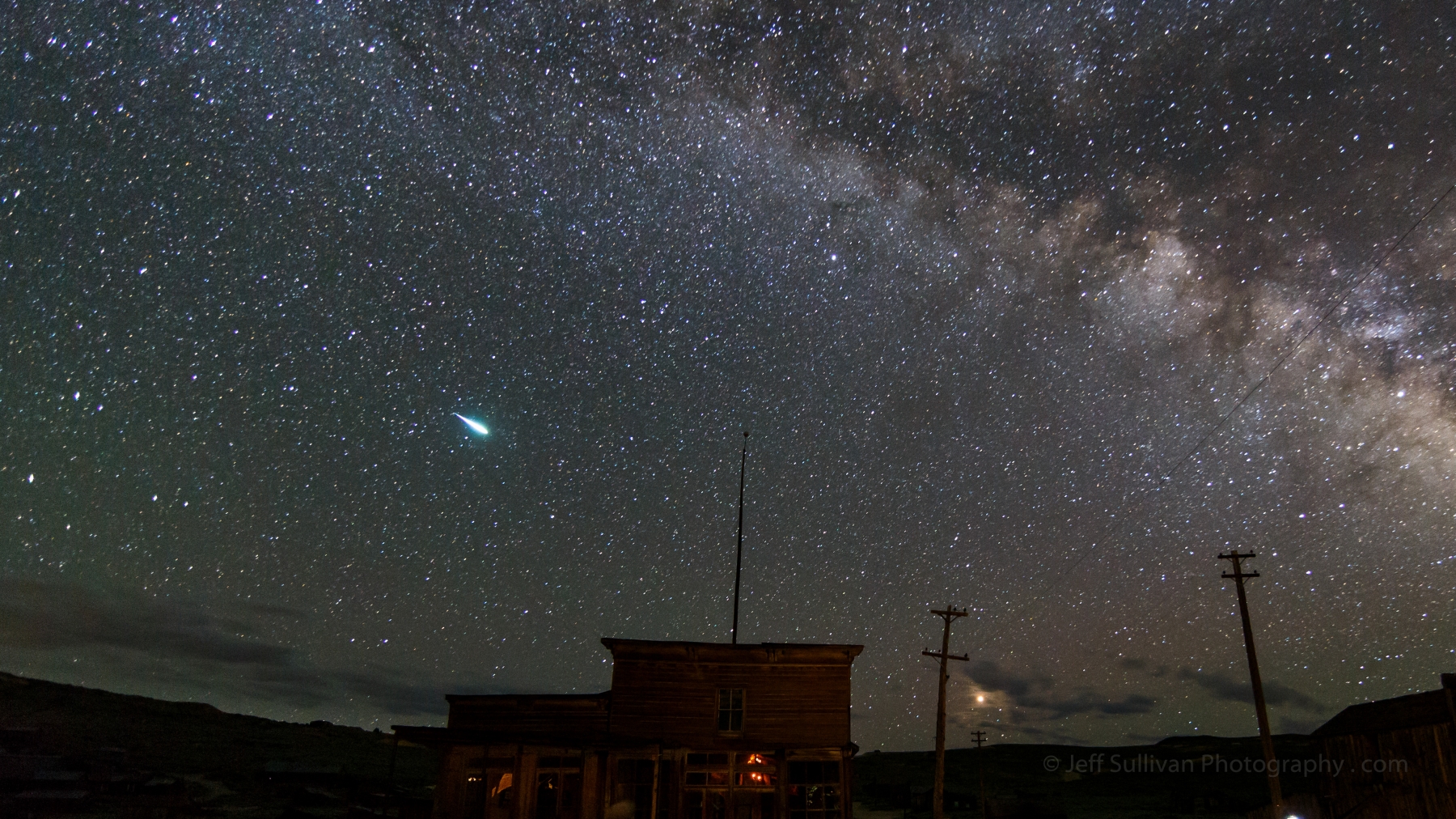
Meteor season finally gets going in July for the northern hemisphere. The first half of the month will be much like June with predominately slow rates. After the 15th though, both sporadic and shower rates increase significantly!
The estimated total hourly meteor rates for evening observers this week is 2 as seen from mid-northern latitude (45N) and 3 from the southern tropics (25S). For morning observers the estimated total hourly rates should be near 10 as seen from mid-northern latitudes (45N) and 13 from the southern tropics (25S). Evening rates are reduced due to interfering moonlight.
The AMS and the IMO (International Meteor Organization) have received over 165 reports so far about of a fireball event seen above Belgium on June 16th, 2018 around 21:11 Universal Time. The fireball was seen primarily from Balgium but was also seen from France, Germany and the Netherlands.
During this period the moon will reach it's first quarter phase on Wednesday June 20th. At that time the moon will be located 90 degrees east of the sun and will set near 0100 local daylight saving time (LDT). This will cause interference with evening meteor viewing but the more active morning hours will be free of moonlight. This weekend the waxing crescent moon will set prior to midnight allowing good views of the morning activity.
Asteroid Day, the official United Nations’ day of global awareness and education about asteroids, has announced worldwide events for the week of 25-30 June. Co-founded by astrophysicist and famed musician Dr. Brian May of the rock group Queen, Apollo 9 Astronaut Rusty Schweickart, Filmmaker Grig Richters, and B612 President Danica Remy, Asteroid Day began with two major events in 2015, and has grown to more than 2000 self-organized events worldwide.
The estimated total hourly meteor rates for evening observers this week is 3 as seen from mid-northern latitude (45N) and 4 from the southern tropics (25S). For morning observers the estimated total hourly rates should be near 8 as seen from mid-northern latitudes (45N) and 11 from the southern tropics (25S).
A small asteroid discovered Saturday morning, determined to head for Earth, impacted the planet's atmosphere just a few hours later on June 2nd over Botswana.
June is another slow month for meteor activity. There are no major showers active in June and only the Anthelion source can be counted on for continuous activity. During this period the moon will reach it's last quarter phase on Wednesday June 6th. At that time the moon will be located 90 degrees west of the sun and will rise between 0100 and 0200 local daylight saving time (LDT) for observers located at mid-northern latitudes.
During this period the moon will reach it's full phase on Tuesday May 29th. At that time the moon will be located opposite the sun and remain above the horizon most of the night. This weekend the waxing gibbous moon will set during the late morning hours, giving a small window of opportunity to view meteor activity between moonset and the start of morning twilight.
During this period the moon will reach it's first quarter phase on Tuesday May 22th. At that time the moon will be located 90 degrees east of the sun and set near 0200 local daylight saving time (LDT). This weekend the waxing crescent moon will set during the mid-evening hours and will not interfere with meteor observing during the more active morning hours.